Mortise Lock Repair & Replacement
Chicago's Edgewater neighborhood is a living archive of architectural history — three-flats and courtyard buildings lining Bryn Mawr Avenue, greystones on Kenmore, vintage six-flats a block from the Red Line. Most of those doors came from the factory fitted with a mortise lock: a rectangular steel body recessed deep into the door stave, housing a latch, deadbolt, and often a key cylinder all in a single integrated unit. Decades of Chicago winters, hard use, and deferred maintenance can leave these locks stiff, stripped, or simply seized. Edgewater IL Locksmith is a 24/7 mobile locksmith team that comes directly to your door — no shop visit required — to diagnose, repair, or replace mortise hardware while preserving the character of your vintage home.
Open 24 hours, 7 days a week · Licensed, bonded & insured
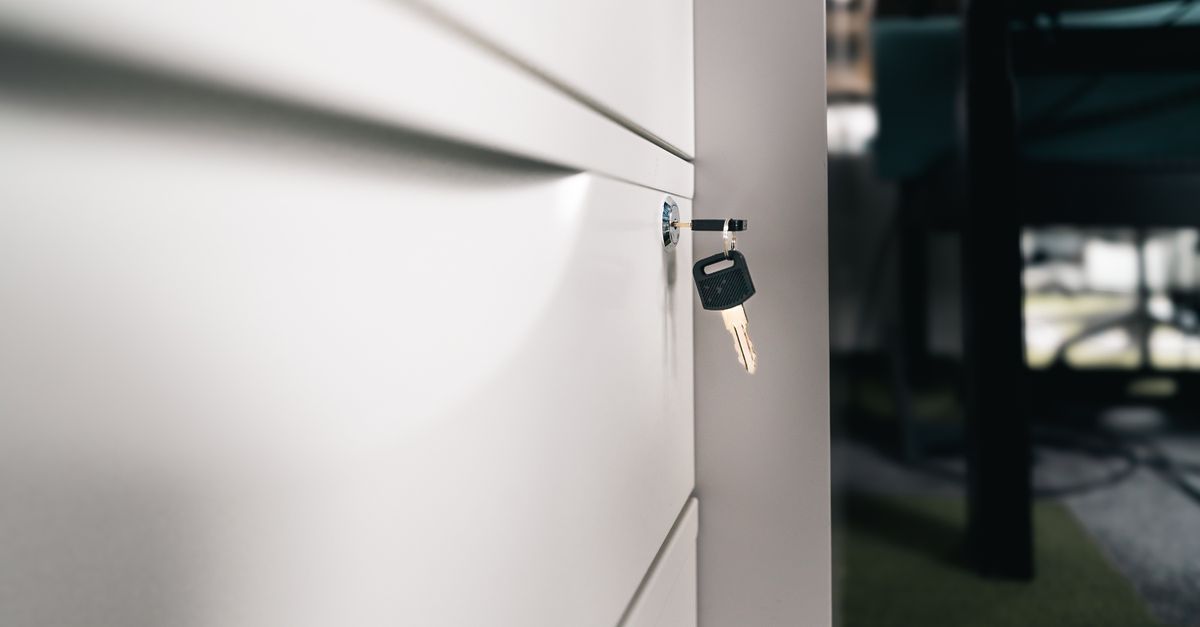
Whether you own a pre-war building on Sheridan Road, manage a multi-unit on Thorndale, or just moved into a vintage condo and inherited a lock you've never seen before, our insured technicians bring the right tools and the right parts to handle every generation of this hardware. We work on classic American-made units, modern Baldwin mortise lock sets, Corbin Russwin mortise lock bodies used in older commercial conversions, and everything in between — and we confirm an exact up-front price before a single screw turns.
What we do
Available 24/7
Day, night, weekends and holidays — a real local locksmith answers and rolls a fully-stocked van.
Fast local response
Based in Chicago, we reach the Chicago area in well under an hour.
Insured & background-checked
Vetted technicians, up-front pricing, and no surprise add-ons when we arrive.
Damage-free entry
We pick and bypass locks the right way, so most lockouts are solved without drilling anything.
What Is a Mortise Lock and Why Chicago Homes Rely on Them
A mortise lock is a lock mechanism that fits into a deep, rectangular pocket — the mortise — cut into the edge of the door. Unlike a cylindrical bored lock (the kind you'd find in most suburban new construction), a mortise body is self-contained: the latchbolt, deadbolt, and strike functions all operate from one steel case. This design distributes force across a much larger area of the door stave, which is why building owners who understand security still specify it for exterior doors today. The trade-off is complexity — more moving parts, more ways for decades of use to cause problems.
Chicago's housing stock tells the story clearly. Buildings constructed between roughly 1890 and 1960 — the era that shaped most of Edgewater, Rogers Park, and Uptown — were built to a standard that assumed mortise hardware. Replacement deadbolts were an afterthought; the original lock was expected to do everything. That means a huge percentage of vintage Chicago rental buildings still have original mortise bodies in service, often the same units installed when Truman was president. When a tenant reports a sticky latch or a landlord realizes the key cylinder is so worn a credit card could wiggle the bolt, that's not a job for a hardware-store deadbolt — that's a job for a locksmith who understands mortise mechanics.

Common Mortise Lock Repair Scenarios We Handle Every Day
The most frequent calls we receive in Edgewater and the surrounding lakefront neighborhoods fall into a handful of categories. A worn mortise lock cylinder is probably the single most common: the plug develops slop, the key starts feeling loose, and eventually the lock either won't turn or turns without retracting the bolt. We can re-key or swap the cylinder alone in most cases — no reason to replace the entire body if the case is still sound. Broken tailpieces, stripped cam slots, and failed springs are equally common on locks that have been in continuous service for forty or fifty years; these are bench-repair jobs we handle on-site. Misaligned strikeplate pockets — caused by Chicago's seasonal wood movement — make a bolt that technically works feel like it's fighting you every time; we adjust the strike and the case simultaneously so the bolt seats cleanly.
We also handle less obvious problems: frozen mortise lock sets caused by moisture infiltration (a real concern on north-facing Chicago doors that see winter wind off the lake), damaged backplates on ornate Art Deco lever trim, and internal case failures on sliding door mortise lock hardware fitted to vintage pocket doors. If you're managing a mixed-use building that had commercial tenants in a previous life, you may have inherited an electric mortise lock wired to a buzzer panel — we assess and service those too, including checking solenoid function and fail-safe vs. fail-secure configuration. For any door knob lock or lever trim paired with a mortise body, we evaluate trim and case together so the repair is complete, not cosmetic.
Mortise Lock Replacement: Matching New Hardware to Old Doors
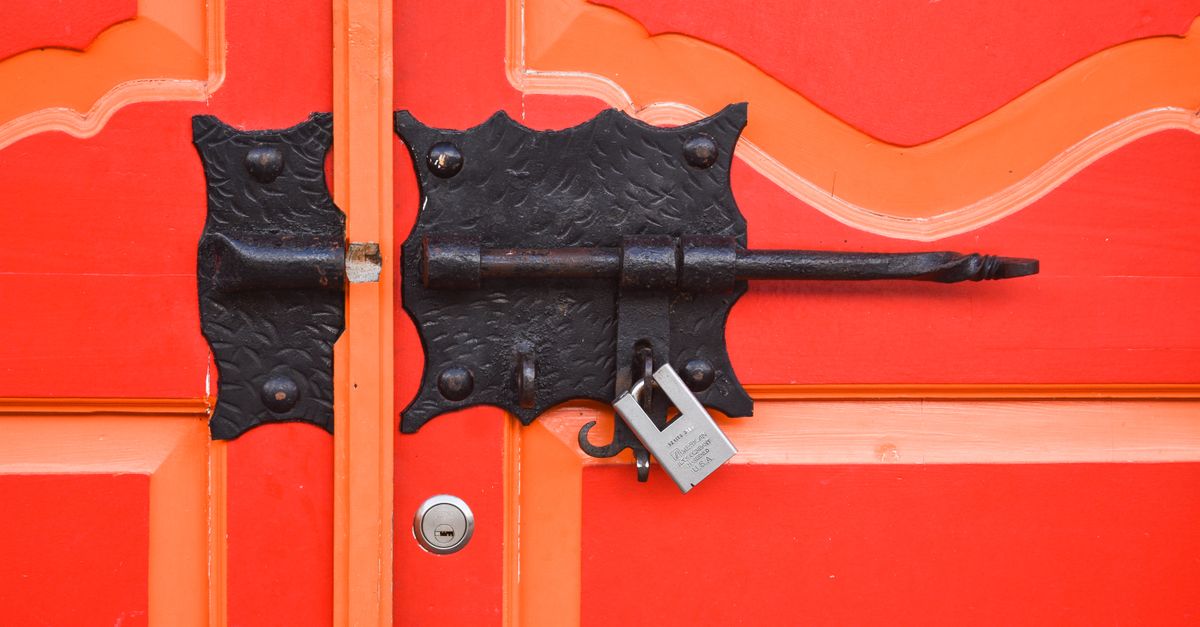
Replacing a mortise lock set on an exterior door in a vintage Chicago building is not as simple as walking into a big-box store. The backset, case dimensions, and spindle spacing on pre-war hardware often don't match anything currently on a retail shelf. Our technicians arrive with measuring tools and a working knowledge of standard case sizes — 3-½" and 4" cases, short and long backsets, European and American cylinder formats — so we can identify a compatible modern replacement or source the correct old-stock equivalent. A Baldwin mortise lock, for instance, is a common upgrade choice for owners who want period-appropriate aesthetics combined with current security standards; we stock common Baldwin configurations and can install them the same visit.
When the original door prep simply can't accept a modern replacement without destructive modification, we discuss the options honestly: a correctly sized drop-in replacement, a mortise-to-cylindrical adapter plate, or a high-security cylindrical deadbolt added above the original trim. If you're curious about a smart mortise lock — modern units that retain the mortise form factor but add keypad, Bluetooth, or Z-Wave connectivity — we can advise on models that fit existing pocket dimensions and handle the installation. The goal is always to solve the security problem while doing as little damage as possible to irreplaceable vintage millwork. Ready to talk options for your specific door? Call (773) 832-5820 — we answer 24/7 and can often dispatch same-day in Edgewater and across Chicago.
Pricing Factors, Emergency Locksmith Response, and Commercial Mortise Work
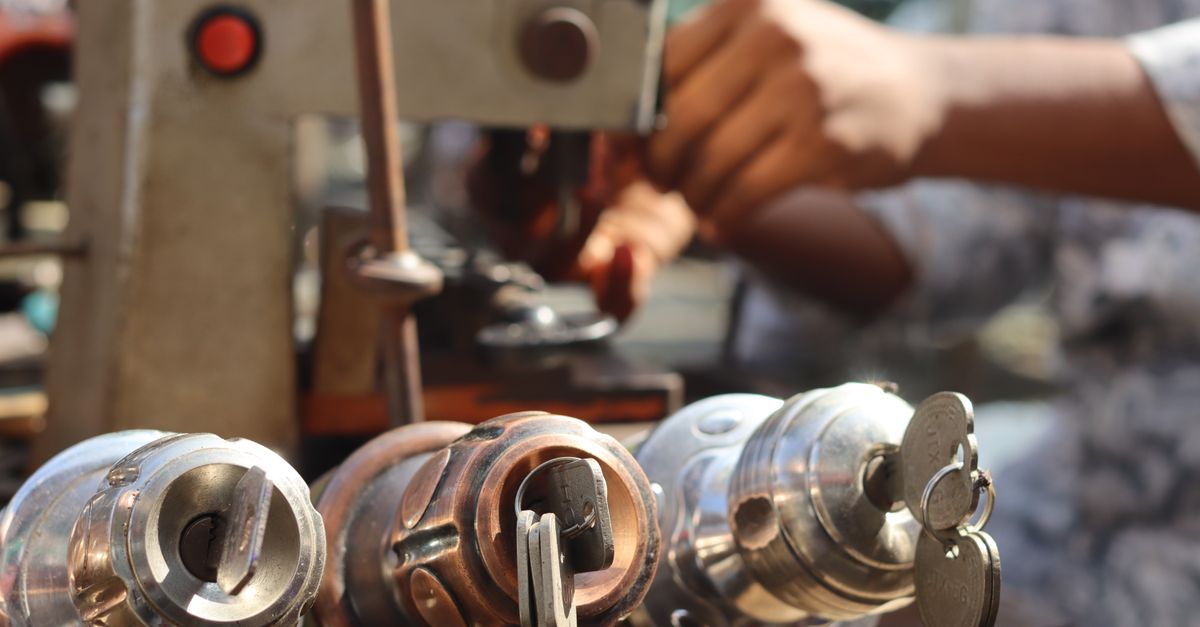
A frequent question from Chicago property owners is some version of: how much does a locksmith cost, and how much should an emergency locksmith cost compared to a standard call? The honest answer is that mortise lock work varies more than most locksmith jobs because the hardware itself varies so dramatically. Factors that shape the final quote include the complexity of the existing lock body (a simple single-cylinder case versus a multi-function lever-trim mortise set), whether parts are in stock or must be sourced, the time of day (after-hours calls carry a different rate than mid-afternoon appointments), and travel distance to your location within the Chicago metro area. We confirm every price up front — in plain language, before work begins — so there's no invoice surprise at the end.
For commercial locksmith work, mortise hardware questions get even more involved. Buildings along Broadway or Clark Street in Edgewater that have transitioned from retail to residential often have Corbin Russwin mortise lock bodies — a brand long trusted in institutional and commercial settings — still in service on common-area doors. We assess those units for function, re-key them to a new master-key system if needed, and can spec a replacement electric mortise lock for doors that need access-control integration. Our insured mobile team handles residential, commercial, and emergency locksmith calls across Chicago with the same equipment van, which means a landlord dealing with a lockout at 2 a.m. on a building full of tenants gets the same qualified technician who handles scheduled re-key appointments during business hours. Where can you find a reputable locksmith in Chicago for this kind of specialized work? Look for a team that asks about your specific door prep before quoting — that's the sign someone actually knows mortise hardware. Call (773) 832-5820 any time, day or night.
Our Full Mortise Lock & Locksmith Service List
Edgewater IL Locksmith provides the following specific services related to mortise hardware and general locksmith needs across Chicago: (1) mortise lock cylinder replacement and re-keying; (2) mortise case repair — spring, cam, and tailpiece replacement; (3) full mortise lock set replacement on exterior doors; (4) Baldwin mortise lock installation; (5) Corbin Russwin mortise lock service and parts sourcing; (6) sliding door mortise lock repair and replacement; (7) electric mortise lock installation and solenoid testing; (8) smart mortise lock installation and pairing; (9) master-key system design for multi-unit residential buildings; (10) high-security cylinder upgrades for existing mortise bodies; (11) strikeplate alignment and door-frame adjustment; (12) door knob lock repair and replacement; (13) antique backplate and escutcheon repair; (14) pocket-door hardware service; (15) residential lockout service — damage-free entry where possible with ownership verification; (16) commercial lockout response; (17) automotive locksmith service — car lockouts, lost key replacement, transponder programming; (18) broken key extraction from mortise cylinders; (19) deadbolt installation on doors without existing prep; (20) peephole installation and wide-angle viewer upgrades; (21) window lock and sash lock repair; (22) access-control wiring assessment for mortise-integrated systems; (23) safe opening and combination changes; (24) emergency locksmith response 24 hours a day, 7 days a week across Chicago; (25) post-break-in door and lock restoration; (26) new-construction lock installation and keying; (27) tenant move-out re-keying for landlords managing Chicago rental properties.
Frequently asked questions
What is a mortise lock, and how do I know if my Edgewater home has one?
A mortise lock is a lock body that sits inside a rectangular pocket cut into the door's edge, rather than a round hole bored through the face. If your door has a large, decorative escutcheon plate with both a keyhole and a lever or knob, and the hardware looks original to a pre-1960s building, you almost certainly have a mortise unit. You can also look at the door edge: a mortise faceplate is a tall, narrow rectangle — typically 7" to 8" tall — versus the small round or oval faceplate of a bored lock. If you're not sure, our technicians can identify the unit on-site and explain your options before any work is done.
Can a mortise lock be repaired rather than replaced, and how do I know which I need?
In many cases, yes — repair is the right move, especially on vintage Chicago doors where the original pocket dimensions don't match modern off-the-shelf hardware. Common repairable problems include worn cylinders, broken springs, stripped cams, and misaligned strikeplate pockets. Replacement becomes the better option when the case itself is cracked, when corrosion has compromised the bolt mechanism beyond adjustment, or when the owner wants upgraded security or smart-lock functionality. Our technicians assess the case, cylinder, and trim together and give you an honest recommendation — repair if the hardware justifies it, replacement if it doesn't.
How much does mortise lock repair or replacement cost in Chicago?
There's no single answer because mortise lock work varies more than standard deadbolt jobs. The factors that shape your quote include the condition and complexity of the existing lock body, whether we're replacing just the cylinder or the entire mortise lock set, whether parts are in stock or need to be sourced, the time of day (emergency calls outside business hours are priced differently than scheduled appointments), and your location within the Chicago area. What we can promise is that you'll receive a firm, complete price before any work begins — no open-ended hourly billing and no surprise charges added after the fact. Call (773) 832-5820 for a same-day assessment.
Do you service electric mortise locks and smart mortise locks in older Chicago buildings?
Yes. Electric mortise locks — units with a solenoid or motor that allows remote release from a buzzer panel or access-control system — are common in multi-unit buildings that were converted or upgraded at some point. We assess solenoid condition, wiring integrity, and fail-safe configuration, and we can replace a failed unit with a compatible modern electric mortise body. Smart mortise locks that add keypad or wireless connectivity while keeping the mortise form factor are also something we install; the key is confirming the new unit's case dimensions match the existing pocket so the door doesn't need destructive re-prep.
How much should an emergency locksmith cost for a mortise lock issue at 2 a.m.?
Emergency locksmith pricing in Chicago depends on the same factors as any other call — the specific work required, parts needed, and travel distance — with an additional after-hours component that reflects the cost of maintaining true 24/7 availability. We don't publish flat rates because the range between a simple cylinder turn and a full mortise lock replacement is too wide to quote meaningfully without seeing the door. What we do commit to: our dispatcher gives you a clear price range when you call, our technician confirms the exact price on-site before starting, and that price doesn't change between quote and invoice. Call (773) 832-5820 any hour — we answer every call directly.
How do I find a reputable locksmith in Chicago for vintage mortise hardware specifically?
The clearest signal that a locksmith actually understands mortise work is whether they ask the right questions before quoting: What's the case height? Is it a single- or double-cylinder? Is the trim original or was it swapped at some point? A technician who just says 'sure, we do that' without asking anything is likely planning to show up and figure it out on your dime. Our team works regularly in Edgewater, Rogers Park, Uptown, and across the Chicago lakefront corridor — buildings with exactly the kind of vintage mortise hardware that requires real familiarity. We're insured, we arrive with the right parts for common mortise configurations, and we explain every step before we start.
Locked out or need a lock fixed? We are on the way.
Open 24 hours, 7 days a week · Insured, background-checked technicians · Up-front pricing
(773) 832-5820