High-Security Deadbolt Install
Edgewater sits at the northern edge of Chicago's lakefront, where vintage greystones on Bryn Mawr Avenue share blocks with newer condos and busy rental corridors near the Red Line. That mix of older door frames, high-turnover tenancy, and street-level foot traffic makes lock quality matter more here than in quieter suburbs — and a standard builder-grade deadbolt simply isn't up to the job. Upgrading to a pick-resistant, restricted-key deadbolt is one of the highest-impact security decisions a homeowner, landlord, or commercial tenant in the area can make, and our trained, insured mobile technicians come directly to your address to handle the full installation, no trip to a hardware store required.
Open 24 hours, 7 days a week · Licensed, bonded & insured
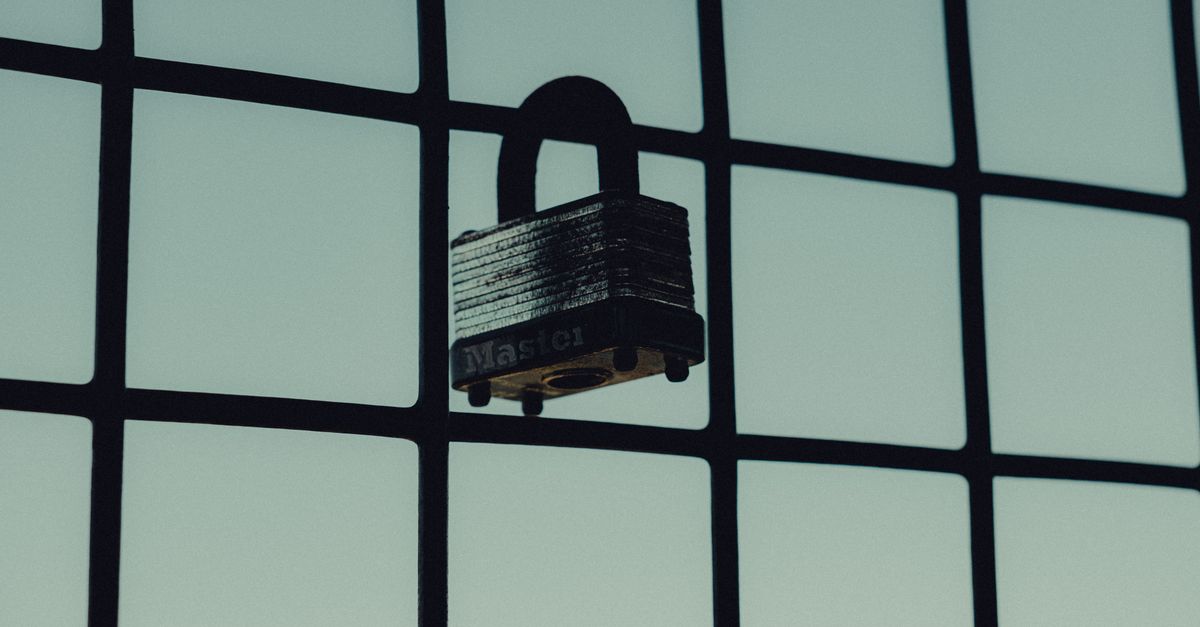
Edgewater IL Locksmith is a 24/7 mobile locksmith serving Chicago and the surrounding area. Whether you're a property owner on Ashland Avenue replacing an aging Kwikset, a building manager on Glenwood Avenue retrofitting multiple units with restricted-key cylinders, or a business owner near the Berger Park corridor who needs a commercial-grade mortise lock on a steel door, we dispatch a qualified technician to your location, assess your existing door prep, and complete the work with damage-free methods wherever the door hardware allows. Call (773) 832-5820 any time — we answer around the clock.
What we do
Available 24/7
Day, night, weekends and holidays — a real local locksmith answers and rolls a fully-stocked van.
Fast local response
Based in Chicago, we reach the Chicago area in well under an hour.
Insured & background-checked
Vetted technicians, up-front pricing, and no surprise add-ons when we arrive.
Damage-free entry
We pick and bypass locks the right way, so most lockouts are solved without drilling anything.
Why a High-Security Deadbolt Install Changes Your Risk Profile
Most doors in Edgewater and across Chicago's North Side neighborhoods were drilled for standard-grade deadbolts that were current two or three decades ago. Those cylinders use conventional pin-tumbler mechanisms that can be manipulated with basic tools, and their keys are easily duplicated at any hardware counter — meaning a key copied without your knowledge can circulate long after a tenant moves out or a contractor finishes a job. A pick-resistant, restricted-key deadbolt attacks both problems simultaneously: the cylinder uses security pins (spools, serrated, or a combination) that defeat standard picking and bumping, while the key itself is protected under U.S. patent or strict manufacturer distribution controls so it cannot be cut without authorization from your registered account. Brands like Medeco, Mul-T-Lock, and Abloy Protec² are the benchmarks our technicians work with most frequently, and each has a distinct internal design that requires specific installation knowledge to seat correctly in your door.
The mechanical upgrade also matters at the strike plate level. A high-security deadbolt install isn't complete with the stock short-screw strike plate that shipped with the door; our technicians replace or reinforce that plate with a heavy-gauge steel version secured with 3-inch screws driven into the door's structural framing, not just the jamb casing. That single step dramatically increases the force required to kick a door open — a relevant concern on Chicago streets where opportunistic forced entry remains a consistent issue. For doors with a mortise lock pocket already cut into the edge (common in older Chicago two-flats and courtyard buildings), we can retrofit a high-security mortise cylinder instead, preserving the existing door prep while upgrading the security grade of the mechanism.
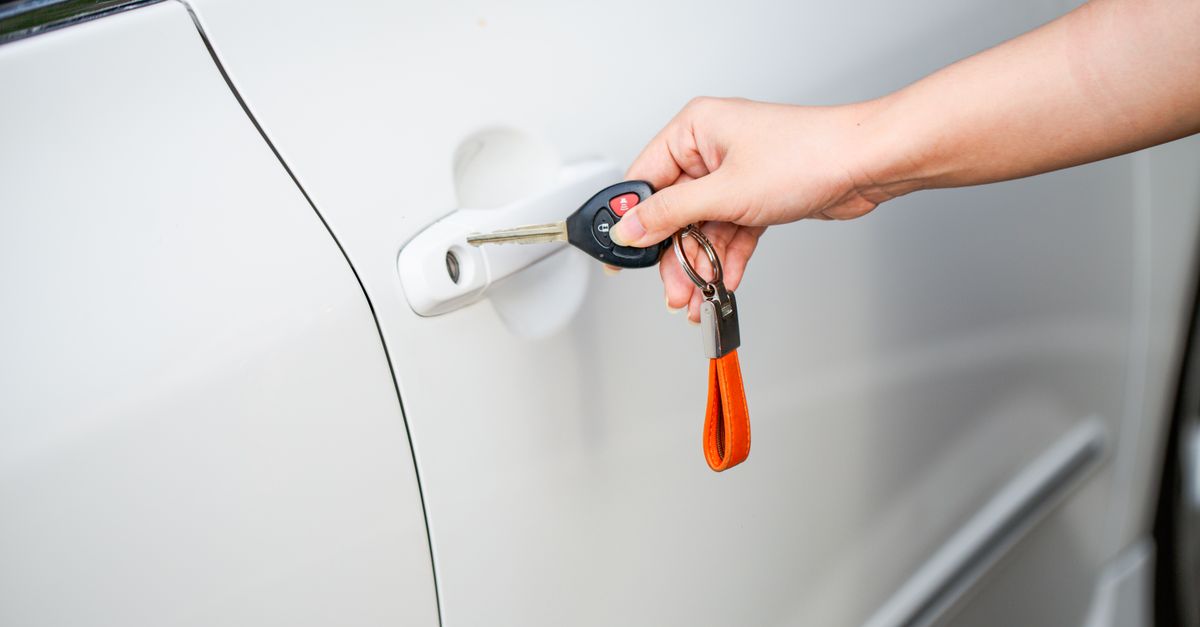
Mortise Lock Upgrades, Jimmy-Proof Deadbolt Installation & More: Our Full Residential and Commercial Service Range
Our mobile locksmith unit carries a broad inventory precisely because Chicago doors are not uniform. A vintage six-flat in Edgewater may have a mortise lock pocket that predates modern ANSI standards; a newer construction condo near the Edgewater Beach Apartments footprint may have a standard cylindrical prep. We match the solution to the door, which is why our service list spans a wide range of residential, commercial, and automotive lock work: high-security deadbolt installation (single and double cylinder), jimmy-proof deadbolt installation for out-swinging and apartment entry doors, mortise lock installation and cylinder replacement, Schlage B-series and Kwikset SmartKey re-keying, restricted-key system enrollment and key duplication authorization, master key system design and implementation for multi-unit buildings, door knob lock replacement and upgrade, lever-handle commercial lockset installation, grade-1 commercial locksmith services for retail and office spaces, panic bar and exit device installation, access control keypad and electronic strike installation, mailbox and cabinet lock replacement, padlock and hasp installation for storage and utility areas, garage door lock reinforcement, sliding door lock and security bar installation, window lock installation and reinforcement, door frame and jamb repair after forced entry, car lockout response and automotive locksmith services, transponder key programming and duplication, ignition cylinder repair and replacement, broken key extraction (residential, commercial, and automotive), safe opening and combination change, lock rekey after move-in or contractor access, security consultation and vulnerability walk-through, and emergency locksmith response 24 hours a day, 7 days a week. That list reflects real demand we see across Chicago neighborhoods — not a generic catalog.
For commercial clients — restaurant owners on Broadway, offices near the Andersonville commercial strip, or multi-unit landlords with properties along Sheridan Road — our commercial locksmith work goes beyond a single lock change. We assess master key hierarchies, help property managers restrict key duplication access per-unit, and install grade-1 mortise lock assemblies on high-traffic entry doors that see daily abuse. The difference between a residential-grade and a commercial-grade installation is measurable in cycle counts: a quality commercial mortise lock is rated for hundreds of thousands of cycles, while a residential deadbolt typically is not. We explain those distinctions before any work begins so you can make an informed choice.
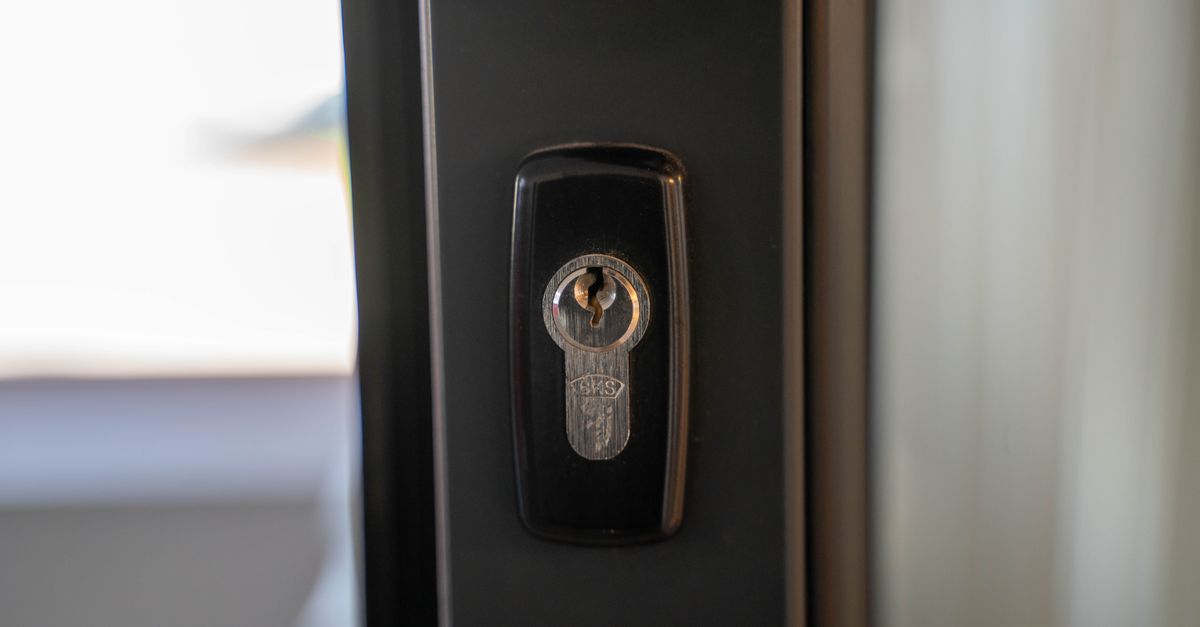
How We Handle a High-Security Deadbolt Install: Damage-Free Process and Up-Front Pricing
When you call (773) 832-5820 and schedule a deadbolt installation, our dispatcher collects basic information about your door — material, current prep dimensions, whether you have an existing mortise pocket, and your address — so the responding technician arrives with the right tools and a suitable hardware selection. On-site, the technician measures the backset, cross-bore diameter, and door thickness before touching anything. If your existing prep matches the new lock's requirements, installation is straightforward and leaves no new holes. If a door knob lock bore needs to be adjusted or a new cross-bore drilled, we use sharp bi-metal hole saws that minimize tear-out and we fill any gap cleanly. The goal throughout is a factory-tight fit with no rattles, no exposed wood, and a bolt that throws and retracts with the smooth, positive feel that indicates proper alignment.
Pricing for any locksmith service — including deadbolt installation — is determined by several factors: the grade and brand of hardware selected, the complexity of the door prep (a straightforward retrofit versus a new mortise pocket cut from scratch), the time of day (after-hours and emergency calls carry a different rate than scheduled daytime work), and travel distance from our current position. We confirm an exact price with you before any work begins — no surprises on the invoice. We never push unnecessary hardware upgrades; if your existing door prep and strike box are solid, we'll tell you. Our technicians are trained and insured, which matters for your peace of mind and for the validity of any homeowner's or renter's insurance claim that might involve your door hardware.
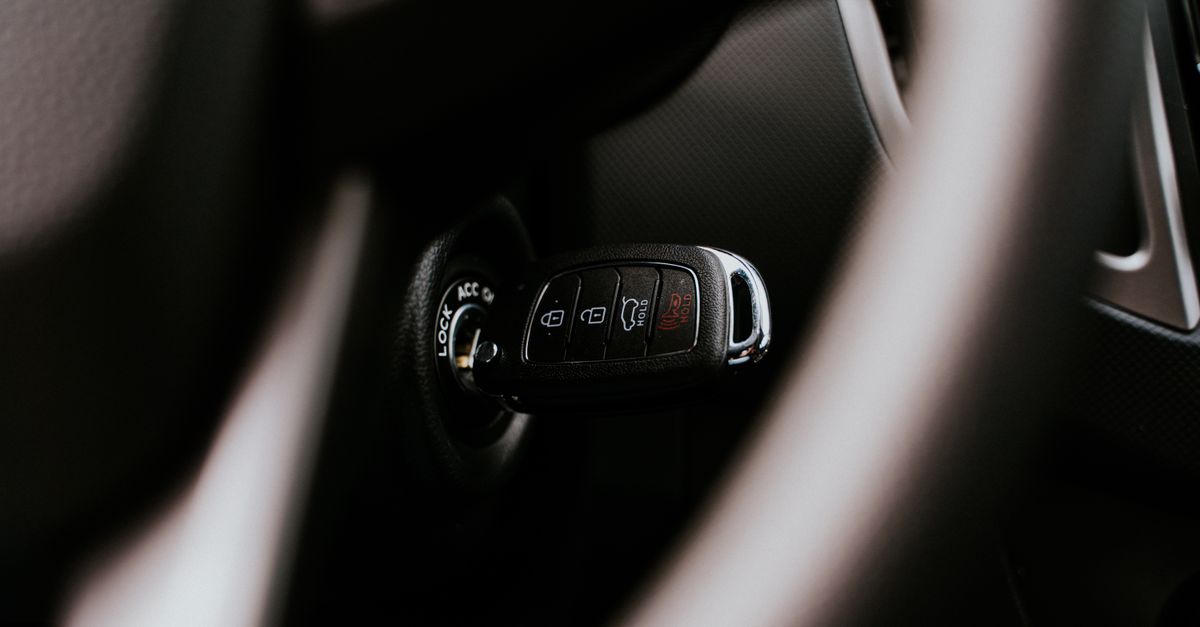
Emergency Locksmith Response and Automotive Locksmith Services Across Chicago
Security upgrades are planned work, but lockouts and broken keys are not. As a 24/7 emergency locksmith, we respond to residential lockouts, commercial lockouts, and automotive locksmith calls across the Chicago area at any hour. If you're locked out of your car on Lake Shore Drive at 2 a.m. or locked out of your Edgewater apartment after losing your keys near the Thorndale CTA stop, we dispatch immediately. Our automotive locksmith technicians handle car lockouts, transponder key programming, and ignition work on most domestic and import vehicles. We do not use destructive entry methods unless the situation leaves absolutely no alternative — our training emphasizes non-destructive techniques that preserve your lock hardware and door finish.
For property owners dealing with an emergency locksmith situation after a break-in or a failed lock, we also offer immediate re-key and emergency deadbolt installation to restore security the same night. Chicago weather adds its own layer of urgency: a frozen or storm-swollen door that won't latch properly in January is a security gap, not just an inconvenience. Our mobile units carry lubricants, strike plate shims, and adjustment tools alongside the lock hardware so we can address root causes, not just swap parts.
Frequently asked questions
How much does a locksmith cost in Chicago for a high-security deadbolt installation?
There's no single flat rate because several variables shape the final price: the brand and security grade of the lock hardware you choose (a Medeco or Mul-T-Lock cylinder costs more than a standard Schlage B60N), whether your door already has the correct bore prep or needs new drilling, the time of day (overnight and weekend calls are priced differently than scheduled daytime work), and the travel distance to your address. What we always do is confirm an exact price with you before any work starts, so you're never guessing. Call (773) 832-5820 for a specific quote.
How much should a locksmith cost per hour, and do you charge by the hour or by the job?
Most residential and commercial lock work — including deadbolt installation and mortise lock replacement — is quoted as a flat job price rather than an hourly rate, because the scope is predictable once we assess the door. Automotive locksmith work and more complex jobs like safe opening may be quoted differently. Either way, you'll know the full amount before we begin. Factors like after-hours response, hardware cost, and door prep complexity all influence where the quote lands.
How to find a reputable locksmith in Chicago?
Look for a mobile locksmith who dispatches local, insured technicians and confirms pricing before starting work — not after. A reputable locksmith will ask for proof of ownership or residency before opening a lock or performing an installation, explain their hardware recommendations without pressure, and provide a clear invoice. Edgewater IL Locksmith operates 24/7 with trained, insured technicians and verifies ownership on every call. You can reach us directly at (773) 832-5820.
Where can I find a quality locksmith in Chicago for a jimmy-proof deadbolt installation on an apartment door?
Jimmy-proof deadbolts (also called rim deadbolts) interlock with the strike plate rather than shooting a bolt into it, making them popular for apartment entry doors and out-swinging doors in Chicago's older rental stock. Our mobile technicians carry rim locks and jimmy-proof hardware and can install or replace them on virtually any door without requiring you to haul anything to a store. We serve Edgewater and all Chicago neighborhoods — call (773) 832-5820 and we'll confirm availability and an up-front price.
How much should an emergency locksmith cost, and is it more expensive at night?
After-hours, overnight, and holiday emergency locksmith calls do typically carry a higher rate than a scheduled daytime appointment, which reflects the cost of immediate dispatch and 24/7 staffing. The exact difference depends on the time of call, the service needed, and location. We're transparent about this: when you call (773) 832-5820, our dispatcher will give you the specific price for your situation before anyone drives out. There are no hidden fees added after the job is done.
Can you install a high-security deadbolt on a door that already has a mortise lock cutout?
Yes — this is a common scenario in Edgewater's older two-flats and courtyard buildings, where mortise pockets were cut decades ago. We can retrofit a high-security mortise cylinder (such as a Medeco or Mul-T-Lock Omega mortise format) directly into the existing pocket, or install a full replacement mortise lock assembly if the existing case is worn. This preserves the original door prep without new drilling while giving you a significantly higher security grade. Our technicians assess the existing pocket dimensions on-site and select compatible hardware accordingly.
Locked out or need a lock fixed? We are on the way.
Open 24 hours, 7 days a week · Insured, background-checked technicians · Up-front pricing
(773) 832-5820