Door Knob Lock Replacement
Edgewater sits where the Red Line meets the lakefront — a neighborhood of vintage greystones on Bryn Mawr, courtyard buildings along Kenmore, and newer condos steps from Loyola's campus. Those older buildings are charming, but decades of Chicago winters, humidity off Lake Michigan, and heavy daily use take a real toll on door hardware. When a door knob lock starts grinding, spinning freely, or simply refuses to retract its latch, the problem rarely fixes itself. Whether it's a bedroom privacy knob that won't unlatch from inside or a front-entry door knob with lock and key that has finally given out after years of service, the right move is a professional replacement — not a temporary workaround.
Open 24 hours, 7 days a week · Licensed, bonded & insured
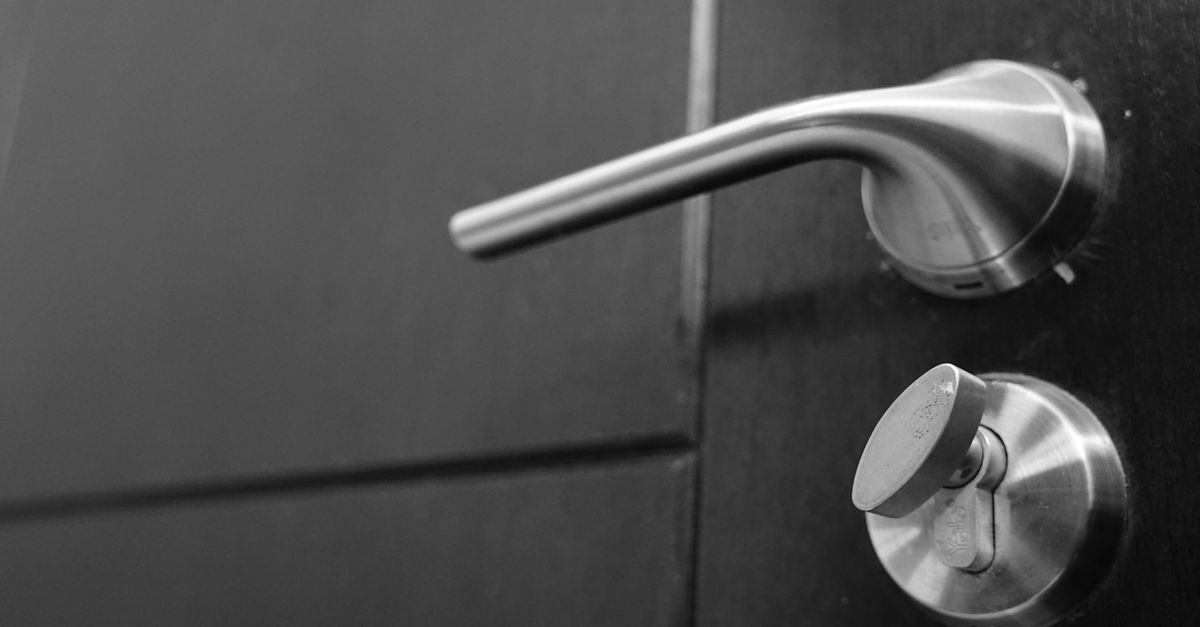
Edgewater IL Locksmith is a fully mobile, 24/7 locksmith service covering Edgewater and the broader Chicago area. Our insured technicians drive to your address fully stocked — no waiting on parts, no back-and-forth to a shop. We handle door knob lock replacement on interior privacy knobs, keyed entry sets, double lock door knob configurations, mortise lock units, and more, all with a focus on damage-free removal and correct fitment the first time. If you need help now, call (773) 832-5820 — we answer around the clock.
What we do
Available 24/7
Day, night, weekends and holidays — a real local locksmith answers and rolls a fully-stocked van.
Fast local response
Based in Chicago, we reach the Chicago area in well under an hour.
Insured & background-checked
Vetted technicians, up-front pricing, and no surprise add-ons when we arrive.
Damage-free entry
We pick and bypass locks the right way, so most lockouts are solved without drilling anything.
Signs You Need a Door Knob Lock Replacement (Not Just a Repair)
A sticking knob is easy to dismiss — a little jiggling, a shoulder bump against the door, and you're through. But that sticking is diagnostic information. When the latch bolt drags against the strike plate, it usually means the door has shifted in its frame (common in Chicago's freeze-thaw cycle, where wood expands and contracts seasonally), or the internal cam mechanism is worn. A bent or stripped cam can't reliably retract the latch, which means one day the knob simply won't turn at all. At that point you're not dealing with a nuisance; you're dealing with a lockout or, worse, a door that won't fully close and secure.
Spinning knobs — where the knob rotates but nothing moves — indicate a broken spindle or a sheared set screw. Free-spinning is a security failure: the latch is no longer mechanically coupled to anything you control. Similarly, a door knob with lock whose keyed cylinder turns but doesn't retract the latch often has a broken tailpiece inside the cylinder, a problem no amount of lubrication will solve. Our technicians inspect the full mechanism before recommending replacement versus adjustment, and we'll always explain what we found and why we're recommending the path we are before any work begins.
Mortise Lock vs. Knob Lock: Which Is on Your Edgewater Door?
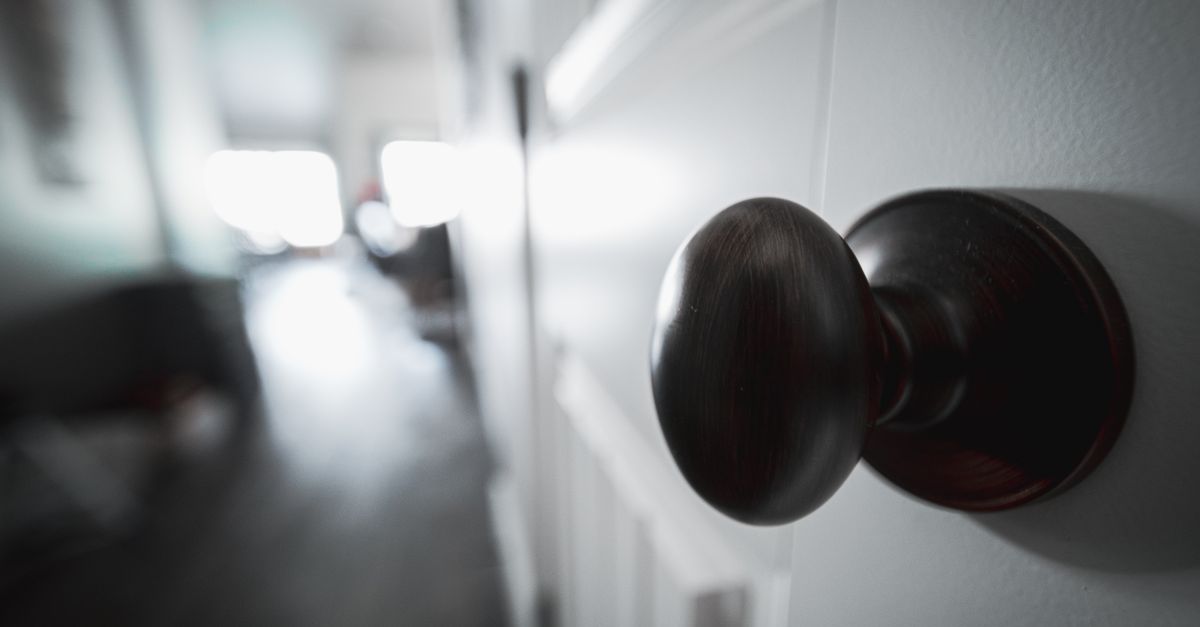
Many of Edgewater's older buildings — particularly the pre-war courtyard apartments along Winthrop and Sheridan — were originally fitted with mortise lock sets rather than cylindrical knob locks. A mortise lock is a rectangular unit that drops into a pocket (mortise) cut into the edge of the door, housing the latch, deadbolt, and sometimes a privacy button all in one case. They are robust, but when they fail — typically through worn levers, a broken case spring, or a seized cylinder — the repair complexity is higher than a standard knob lock swap. As a commercial locksmith service as well as residential, we carry mortise lock hardware suited to both apartment entry doors and commercial storefronts on Broadway or Clark Street.
Cylindrical knob locks, by contrast, pass through a bored hole in the door face. They're far more common in interior doors and in residential entry sets installed over the last 30–40 years. Replacement is generally more straightforward, but correct backset measurement (2-3/8" vs. 2-3/4" is the most common variation) and matching the existing bore diameter matter enormously — a mismatched replacement leaves gaps, weakens the door edge, or simply won't seat correctly. Our technicians measure before they pull anything apart.
Door Knob Lock Replacement: What the Process Actually Looks Like
When our mobile unit arrives, the technician starts with a visual and functional assessment — door alignment, latch engagement, cylinder condition, and frame integrity. If the existing lock door knob is keyed, we record the existing key cuts if possible, so we can rekey the new hardware to your current key rather than hand you a new key that doesn't match anything else on your ring. For multi-unit buildings in Edgewater, where a building master key system may be in play, we confirm compatibility with your property manager's key system before cutting anything.
Removal is done with care to avoid splintering the door face or damaging the finish around the bore — important on solid-wood doors in vintage buildings where replacement trim is hard to source. We install the new knob lock set, verify latch and deadlatch function, adjust the strike plate if needed, and test the lock multiple times in both directions before we consider the job finished. For a door knob with lock for bedroom applications, where the knob only needs a privacy button (no key), we confirm the emergency release works correctly from the outside — a detail that matters enormously if a child accidentally locks themselves in. We confirm an exact up-front price before starting any work; the final quote accounts for the lock type and grade, time of day, travel to your address, and any parts required.
Emergency Locksmith Response, Residential, Automotive & Commercial Services in Chicago
A broken knob lock at 2 a.m. in Edgewater isn't a business-hours problem — it's an emergency locksmith situation, and that's exactly what our 24/7 mobile service is built for. Whether you're locked out of your apartment on Granville, returning from a late shift at a Rogers Park restaurant to find your knob spinning uselessly, or managing a commercial property on Devon Avenue where a tenant's lock has failed mid-evening, we dispatch a technician immediately. As a residential locksmith, we handle everything from simple bedroom privacy knobs to high-security entry sets. As a commercial locksmith, we work with storefront hardware, office entry knob sets, and mortise lock configurations that meet commercial-grade security requirements. Our automotive locksmith capabilities round out the mobile offering — car lockouts, broken ignition, and transponder key issues are handled from the same fully equipped service vehicle, so one call covers your home and your car if both happen to need attention on the same rough night.
Our services include: mortise lock installation and repair, cylindrical knob lock replacement, double lock door knob installation, keyed entry knob set replacement, privacy knob replacement for interior doors, door knob with lock for bedroom upgrades, rekeying existing knob locks, master key system setup and maintenance, high-security cylinder upgrades, strike plate reinforcement, deadbolt addition to existing knob lock doors, sliding door lock replacement and repair, patio door rod-and-pin lock installation, mailbox lock replacement, cabinet lock installation, office door knob set replacement, commercial-grade mortise lock installation, emergency lockout service for residences, emergency lockout service for commercial properties, automotive lockout service, car key replacement and programming, transponder key duplication, smart lock installation and configuration, lock rekey after move-in or tenant change, and door frame reinforcement for security upgrades. If you're dealing with a lock failure right now, call (773) 832-5820 — our team is available 24 hours a day, seven days a week.
How Much Does a Locksmith Cost in Chicago? Understanding Your Quote
One of the most common questions we hear — right alongside 'How much should a locksmith cost per hour?' and 'How much should an emergency locksmith cost?' — is simply: what am I going to pay? We don't publish flat rates because an honest answer depends on real variables: the type of lock (a basic interior privacy knob versus a commercial-grade mortise lock are genuinely different jobs), the time of day (emergency overnight service involves different resource demands than a scheduled afternoon appointment), the distance our technician travels to reach you, and the specific parts required for your door's configuration. What we commit to is this: before any work begins, we give you an exact price. No surprise charges added after the fact, no vague estimates that balloon at invoice time. If you're wondering where to find a reputable locksmith in Chicago, the clearest indicator is a company that explains its pricing structure openly and confirms the total before touching your lock — that is exactly what we do. How to find a reputable locksmith in Chicago? Look for a mobile operator with insured technicians who arrive in a marked vehicle, explain the problem clearly, and put a firm number in front of you before starting. That's our standard on every call.
Frequently asked questions
My door knob spins freely and the door won't open. Can this be fixed without damaging the door?
In most cases, yes. A free-spinning knob usually means the spindle has sheared or the set screw has stripped, and our technicians are trained to remove the failed hardware through the existing bore holes without forcing or splitting the door face. In rare cases where the latch is fully extended and the door is closed, a more involved approach is needed, but we always attempt the least invasive method first. If you're currently unable to open the door, call (773) 832-5820 immediately — we handle these situations 24/7 and can walk you through safe options while a technician is en route.
How do I know if I have a mortise lock or a standard knob lock, and does it change the job?
A mortise lock sits inside a rectangular pocket cut into the door edge; if you look at the edge of your door and see a large rectangular faceplate (typically 7–8 inches tall), you likely have a mortise unit. A cylindrical knob lock passes through two round bored holes — one through the door face, one through the edge. Mortise lock work is more involved because the hardware is integrated and the pocket dimensions must match the replacement unit. It doesn't necessarily mean a longer visit, but it does mean the technician needs to confirm the correct replacement case before arriving or upon assessment. Both types are well within our regular scope of work.
Can you rekey my new knob lock to match my existing house key?
Yes, rekeying to your existing key is standard practice for us and is almost always the preferred outcome — especially if you have multiple locks on the same key ring. We record the existing key profile or use your current key as a reference, then pin the new cylinder to match. The one exception is if the new lock uses a proprietary keyway that isn't compatible with your current key's profile, in which case we'll explain the options (including rekeying other locks to the new keyway) before proceeding.
I'm moving into a new apartment in Edgewater. Should I replace or just rekey the knob locks?
For most move-in situations, rekeying is sufficient and more cost-effective — it renders all previous keys useless while keeping the existing hardware in place. However, if the existing door knob with lock shows significant wear, a loose cylinder, or cosmetic damage suggesting rough past use, replacement is the smarter long-term move. If the building is older and the locks are original vintage hardware, we'll assess whether the cylinder can be serviced or if the entire unit needs to go. We'll give you a clear recommendation on-site. Either way, your new keys will be the only keys that work before we leave.
What should I do if I'm locked out and wondering how to pick a door knob lock myself?
We strongly advise against any DIY lock-bypass attempt. Without proper tools and training, you risk permanently damaging the lock mechanism, the door face, or the frame — damage that often costs more to repair than the original locksmith call would have. The right steps are: check all other entry points (windows you left unlocked, a back door, a neighbor who holds a spare key), contact your building manager if you're a tenant, and if none of those apply, call a professional. Our technicians are trained in non-destructive entry methods and carry the proper tools to open the door correctly. Call (773) 832-5820 any time — we're a 24/7 mobile service and can be at your location quickly anywhere in the Chicago area.
Do you handle sliding door lock replacement in addition to knob locks?
Yes. Sliding door locks — both the hook-bolt style built into the door frame and aftermarket security bars or rod-and-pin systems — are part of our regular residential service. Sliding door hardware fails differently than knob locks: the most common issues are a broken hook bolt that won't engage the strike, a worn locking lever that no longer holds tension, or a sliding panel that has shifted on its track enough that the lock hardware no longer aligns. We assess whether the hardware itself needs replacement or whether a track and alignment adjustment will restore function, and we carry common replacement hardware on the van.
Locked out or need a lock fixed? We are on the way.
Open 24 hours, 7 days a week · Insured, background-checked technicians · Up-front pricing
(773) 832-5820