Toyota Car Key Replacement
Edgewater sits right where Chicago's lakefront energy meets the practicality of a working neighborhood — Bryn Mawr Avenue humming with foot traffic, the Red Line pulling commuters north, and side streets packed with everything from vintage two-flats to modern condos. In a community this active, losing access to your Toyota — whether it's a Camry parked on Sheridan Road or a Tacoma in the alley behind your building — is more than an inconvenience. Edgewater IL Locksmith is a fully mobile, 24/7 automotive locksmith team that comes directly to you, anywhere in the Chicago area, to handle Toyota car key replacement on the spot.
Open 24 hours, 7 days a week · Licensed, bonded & insured
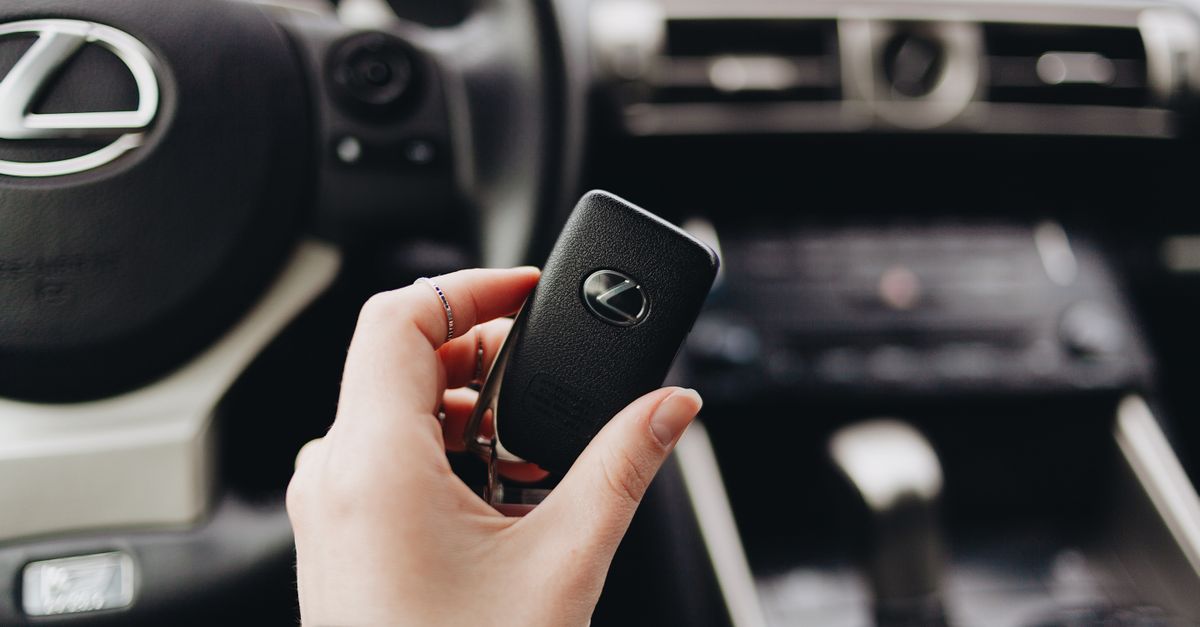
We cut and program Toyota keys, key fobs, transponder keys, and smart proximity keys right at your location — no tow truck, no dealer waiting room, no guesswork. Our trained and insured technicians carry the specialized programming equipment required for today's Toyota security systems, and we verify proof of ownership before any work begins. If you need help right now, call us at (773) 832-5820 — we answer every call, day or night.
What we do
All key types
Toyota transponder keys, push-to-start smart keys and remote head keys.
Lost-key service
No spare? We can make a key from scratch and disable the lost one.
On-site programming
Keys are cut and programmed to your car right in your driveway or lot.
Dealer alternative
Comparable keys, faster turnaround, and usually a lower price than the dealer.
Toyota Car Key Replacement: What's Actually Inside Your Key
Not all Toyota keys are the same, and knowing which type you have changes everything about the replacement process. Older Toyota models — think late-1990s Corollas or early-2000s Camrys — used a basic mechanical cut key with no electronics. Those are relatively straightforward to duplicate. But most Toyotas manufactured in the last 15 years use at least a transponder key, which contains a small chip inside the plastic head that communicates with the vehicle's immobilizer system. If the chip isn't programmed to that specific car's ECU, the engine won't start even if the key blade turns the ignition perfectly. Transponder programming requires dedicated automotive locksmith equipment — it can't be done at a hardware store key kiosk.
Newer Toyota models — including recent Camry, RAV4, Highlander, Tundra, and Tacoma trims — have graduated to key fobs with remote entry and, in many cases, Toyota's Smart Key system (also called push-button start or proximity keys). Smart keys don't insert into the ignition at all; the vehicle detects the key's encrypted signal when it's within range. Programming these requires direct communication with the vehicle's OBD-II port and a compatible key programmer. Our mobile technicians carry the tools and blank key stock to handle all three key types — mechanical, transponder, and smart — for the full Toyota lineup. We cut the blade on-site using professional key-cutting equipment and program the electronics in the same visit, so you're back on the road without a tow.
Toyota 4Runner, Tacoma & More: On-Site Toyota Car Key Replacement Chicago Drivers Rely On
Toyota truck and SUV owners face a particular challenge: dealers in the Chicago area may quote multi-day lead times for smart key programming, especially for 4Runner or Tundra models with advanced security packages. If you're dealing with a Toyota 4Runner locked out situation at 2 a.m. near the Andersonville border or your Tacoma key fob died in a parking structure off Broadway, waiting until the dealership opens Monday morning isn't realistic. That's exactly why our 24-hour mobile service exists. Whether it's a Toyota 4Runner 24 hour locksmith call or a Tacoma tailgate lock installation after a latch replacement, we dispatch a technician to your location — not the other way around.
For Toyota 4Runner Hybrid owners specifically, the key system involves an additional layer: the hybrid powertrain control module interacts with the immobilizer, so programming must account for both systems. Our technicians are experienced with hybrid-specific Toyota key programming and won't risk incomplete programming that leaves a vehicle partially functional. If you're locked out of a Toyota 4Runner Hybrid or dealing with a failed proximity key, call (773) 832-5820 and we'll confirm our ETA and a firm, up-front price before we head your way — no surprises when we arrive.
Faster and More Practical Than the Dealer — Here's Why
When Chicago drivers contact a Toyota dealership for key replacement, the typical process involves towing the vehicle to the service department, waiting for an appointment slot, and then waiting again while parts are ordered. That process can stretch across several days and often involves costs that reflect dealer overhead. Our mobile Toyota key replacement service works differently: a trained technician arrives at your location — your home on Glenwood Avenue, your office parking deck, a street spot near the Edgewater Beach Apartments — with the cutting and programming equipment already in the van. Most replacements are completed in a single visit.
Pricing for Toyota key replacement depends on several real factors: the specific key type (mechanical, transponder, or smart key), whether you need one key or a set, the model year and trim of your vehicle (which determines the programming protocol and blank key cost), the time of day you're calling, and your location relative to our current dispatch point. We confirm the exact total before we start — no add-ons after the fact. We also require proof of ownership (registration or title plus a matching ID) before cutting or programming any key. That step protects you as the vehicle owner as much as it protects the integrity of our service.
Beyond Keys: Our Full Toyota Automotive Locksmith Services
Toyota key replacement is the most common call we receive, but our automotive locksmith work covers the complete range of situations Toyota owners encounter. The following are specific services our mobile team provides for Toyota vehicles across the Chicago area:
1. Transponder key cutting and programming for all Toyota models and years. 2. Smart key (Proximity key) programming for push-button-start Toyotas. 3. Key fob battery replacement and fob reprogramming after battery swap. 4. Broken key extraction from the ignition cylinder without damaging the cylinder housing. 5. Broken key extraction from door lock cylinders. 6. Ignition cylinder replacement when the cylinder itself is worn or damaged. 7. Car lockout service — unlocking Toyota vehicles using non-destructive, damage-free entry methods. 8. Toyota 4Runner Hybrid emergency locksmith response, including locked-keys-in-car situations. 9. Toyota 4Runner Hybrid locked out of car service available 24 hours a day, every day. 10. Lost-all-keys Toyota replacement — programming new keys from scratch when no working key exists. 11. Spare key creation so you're never left without a backup. 12. Key fob shell replacement when the remote housing cracks but the electronics still work. 13. Door lock actuator troubleshooting assistance (our technician can diagnose whether the issue is the key, fob signal, or the actuator itself). 14. Tacoma tailgate lock installation and re-keying services. 15. Re-keying door lock cylinders to match a new key (useful after a key is lost or stolen). 16. Emergency lockout service for Toyotas in parking structures, alleys, and street spots anywhere in the Chicago area. 17. Truck bed lock installation guidance for Tacoma and Tundra owners adding aftermarket security. 18. Valet key creation for Toyota models that support a separate valet-cut blade. 19. Key duplication for older Toyota mechanical keys (pre-transponder models). 20. Programming additional remotes to existing Toyota smart key systems. 21. Steering column ignition lock service when keys won't turn due to a locked steering column. 22. Toyota hybrid-specific smart key programming accounting for hybrid ECU interaction. 23. After-hours Toyota 4Runner 24 hour locksmith near me response across Edgewater, Rogers Park, Uptown, Andersonville, and surrounding Chicago neighborhoods. 24. Ownership-verified emergency key replacement when keys are lost while traveling through Chicago. 25. Mobile key cutting using precision automotive key-cutting equipment — all done at your location, no shop visit required.
Frequently asked questions
Can you make a Toyota smart key on-site, or do I have to go to the dealer?
Yes — our mobile technicians carry the programming equipment and blank smart key stock to cut and program Toyota proximity keys (push-button-start) right at your location. We connect to your vehicle's OBD-II port and complete the programming in a single visit. You don't need to tow the vehicle anywhere. The process typically takes less time than the drive to a dealership, and we confirm an exact price before starting. The final cost depends on your specific Toyota model, year, and trim — because those factors determine the programming protocol and the blank key required.
I'm locked out of my Toyota 4Runner Hybrid late at night in Chicago. What should I do?
Call (773) 832-5820 — we answer 24 hours a day, every day, including overnight and holidays. Our technicians handle Toyota 4Runner Hybrid locked out of car situations using non-destructive entry methods designed to avoid any damage to your door seals, trim, or lock mechanisms. Before we arrive, check whether any other door or the liftgate is unlocked, and locate your spare key if one is accessible. When our technician arrives, we'll ask for proof of ownership before opening the vehicle — that step protects you as much as it protects vehicle security generally.
How does the cost of Toyota key replacement get determined?
Several factors shape the final price: the type of key your Toyota uses (a basic transponder key involves different materials and programming time than a full smart key fob), your vehicle's model year and trim (which sets the programming protocol), whether you need one key or multiple keys made, the time of day (after-hours emergency dispatch factors into the quote), and your location in the Chicago area. We give you a firm, all-in price before any work begins — nothing is added after the fact. We never quote a starting price and then add fees on arrival.
Do you need proof of ownership before making a Toyota key?
Yes, always. We require a government-issued photo ID that matches the vehicle's registration or title before we cut or program any Toyota key. This is a non-negotiable step that protects vehicle owners from unauthorized key duplication. If you're calling on behalf of a family member or a company fleet vehicle, let us know when you call — we'll walk you through what documentation satisfies the ownership verification for that situation.
My Toyota key fob stopped working after I changed the battery. Can you fix that?
A fob that stops working after a battery swap is almost always a programming sync issue rather than a hardware failure. When certain Toyota fobs lose power entirely — even briefly — they can drop out of sync with the vehicle's receiver. Our technicians can re-establish the pairing between the fob and the vehicle on-site. If the fob housing or internal circuit board is damaged, we can also replace the fob shell or the complete unit and reprogram it. Call (773) 832-5820 and describe the symptom — we'll let you know which service applies and confirm pricing before dispatching.
How is a Toyota transponder key different from a regular key, and why does that matter for replacement?
A Toyota transponder key has a small electronic chip embedded in the plastic head of the key. When you insert the key and turn the ignition, the vehicle's antenna ring reads the chip's unique code. If the code doesn't match what's stored in the immobilizer, the engine won't start — even if the physical key blade turns perfectly. This means a transponder key replacement isn't just a matter of cutting the right blade profile; the chip also has to be programmed to that specific vehicle. Our technicians handle both steps — blade cutting and chip programming — in one mobile visit, which is why we can often complete the job faster than a dealership service department that may need to order parts separately.
Locked out or need a lock fixed? We are on the way.
Open 24 hours, 7 days a week · Insured, background-checked technicians · Up-front pricing
(773) 832-5820