Storefront Door Lock Service
Chicago's commercial corridors — from the restaurant-lined stretch of Bryn Mawr Avenue to the boutique shops tucked along Broadway in Edgewater — depend on one thing above almost everything else: a storefront door that locks and unlocks reliably, every single time. When a mortise lock body seizes, a cam breaks, or a cylinder wears out after thousands of open-and-close cycles, the consequences aren't just inconvenient — they can leave your inventory exposed overnight or trap staff inside after closing. Edgewater IL Locksmith is a 24/7 mobile commercial locksmith serving Chicago and the surrounding area, and we specialize in the full repair, rekey, and replacement of commercial storefront mortise hardware for businesses of every size.
Open 24 hours, 7 days a week · Licensed, bonded & insured
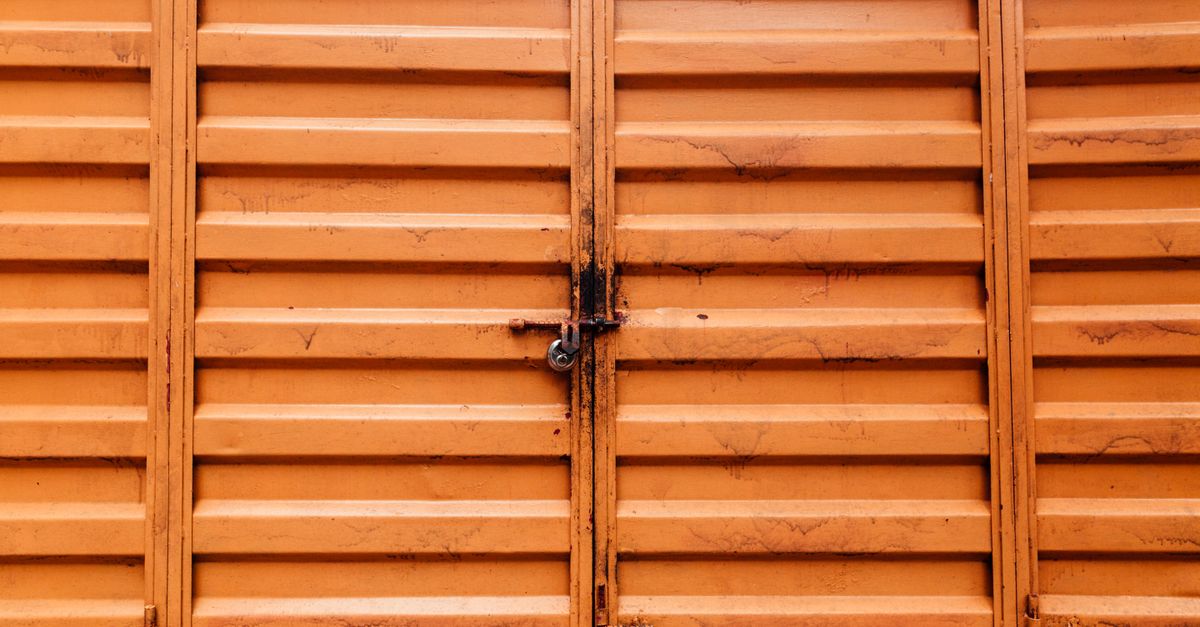
Unlike a standard cylindrical door knob lock found in residential settings, a commercial mortise lock is a precision assembly embedded inside the door stave itself — a multi-component system of levers, cams, latch bolts, and deadbolts that must all work in concert. Our trained, insured technicians arrive fully stocked at your location, diagnose the exact point of failure, and restore your door to proper operation with as little disruption to your business day as possible. Whether you need an emergency fix at 2 a.m. or a planned door lock installation across multiple storefronts, we confirm an exact up-front price before any work begins — no surprises on the invoice.
What we do
Available 24/7
Day, night, weekends and holidays — a real local locksmith answers and rolls a fully-stocked van.
Fast local response
Based in Chicago, we reach the Chicago area in well under an hour.
Insured & background-checked
Vetted technicians, up-front pricing, and no surprise add-ons when we arrive.
Damage-free entry
We pick and bypass locks the right way, so most lockouts are solved without drilling anything.
What Makes Commercial Storefront Mortise Lock Service Different
A mortise door lock is not a drop-in replacement the way a residential knob set might be. The mortise pocket — the rectangular cavity routed into the door edge — must match the lock body's dimensions precisely. Chicago storefronts, particularly in older Edgewater and Andersonville buildings constructed in the early 20th century, often have non-standard door thicknesses or legacy hardware from manufacturers whose product lines have since changed. Our technicians carry a broad inventory of mortise lock bodies, trim rings, escutcheon plates, cylinders, and strike plates so we can match or upgrade existing hardware without forcing you to change out the entire door frame. When an exact match isn't available, we can adapt compatible components — reaming the mortise pocket to spec or fitting a conversion plate — always aiming for a damage-free result.
A full commercial storefront mortise lock service call typically covers: diagnosis of the failed component (cylinder, cam, case, lever handle, or thumb-turn), sourcing the correct replacement parts from our vehicle stock, removal of the old assembly, precise installation and alignment of the new hardware, cylinder rekeying if required, adjustment of the latch and deadbolt throw to align flush with the strike, and a final function test under load. We also document the key bitting on file for your records. That end-to-end process is what separates a qualified commercial door locksmith from a general handyman with a screwdriver.
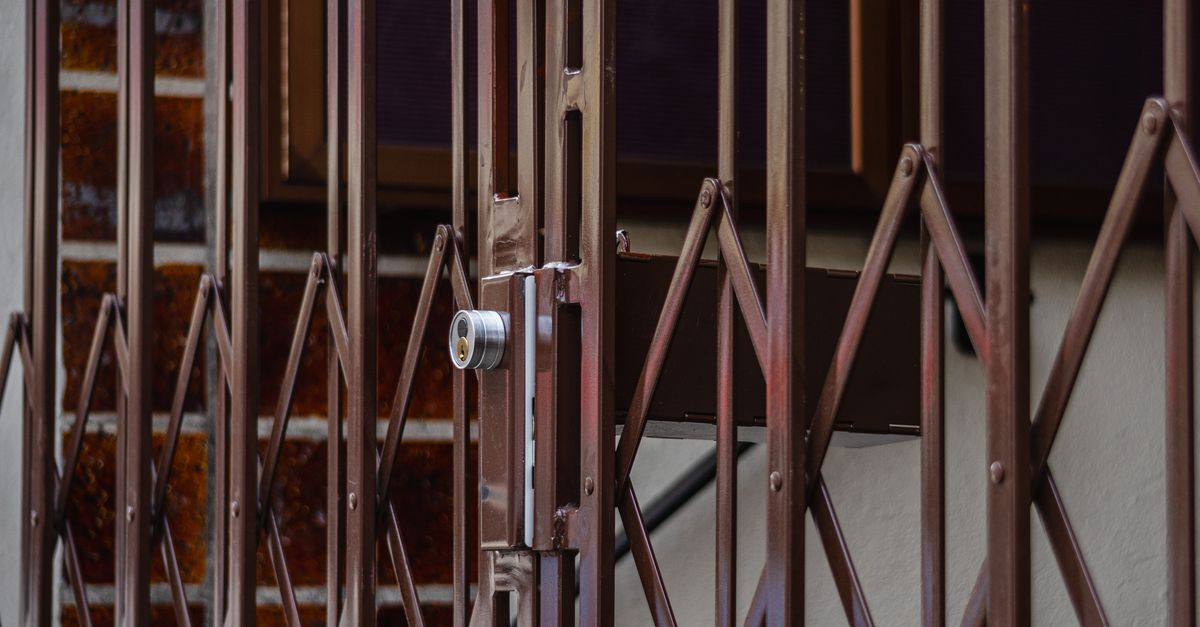
Full Storefront Door Lock Service: What We Repair and Replace
Our storefront door lock service covers a comprehensive range of hardware and scenarios. Below is a representative — though not exhaustive — list of the specific work our mobile technicians perform on commercial doors every week across Chicago: 1. Mortise lock body replacement (full case swap) 2. Mortise lock body repair (cam, lever, or latch mechanism) 3. Commercial cylinder rekey (master key and change key cuts) 4. High-security cylinder upgrade (pick-resistant, drill-resistant cores) 5. Storefront door knob lock and lever handle replacement 6. Adams Rite-style narrow-stile aluminum door lock service 7. Rim exit device (push bar) repair and replacement 8. Concealed vertical rod exit device adjustment 9. Surface-mounted deadbolt installation on wood-frame storefronts 10. Electric strike installation and wiring coordination 11. Electromagnetic lock (mag-lock) mounting and alignment 12. Keypad door lock installation and code programming 13. How to change code on keypad door lock — technician-assisted reprogramming for electronic access hardware 14. Master key system design and implementation for multi-tenant buildings 15. Sliding door lock replacement on aluminum storefront sliders and patio-style commercial doors 16. Multi-point locking system repair on European-style storefront doors 17. Panic hardware (Von Duprin, Falcon, SDC) repair and dogging 18. Door closer adjustment to reduce latch stress on the mortise bolt 19. Strike plate reinforcement and relocation on worn or shifted frames 20. Broken key extraction from mortise cylinders 21. Door alignment correction to eliminate bolt binding 22. Hinge-side security pin installation 23. Glass door patch fitting lock replacement 24. Rollup gate lock and hasp service 25. After-hours emergency lock change for businesses following a break-in or key compromise If your specific hardware isn't on this list, call us at (773) 832-5820 — we answer 24/7 and can tell you immediately whether we stock the parts or need to source them.
Emergency Commercial Locksmith Response in Chicago — When You Can't Wait
A broken mortise lock at 6 a.m. before your staff arrives, or a snapped key in the cylinder at midnight when you're trying to close — these situations don't respect business hours, and neither do we. As a 24/7 mobile emergency locksmith, Edgewater IL Locksmith dispatches directly to your address any time of day or night, anywhere in the Chicago metro area. Our service vehicles are equipped with commercial lock inventory, plug followers, cylinder picks, and the specialized tooling required to service heavy-duty mortise hardware without unnecessary door damage. Because we come to you, there's no towing fee, no waiting for a shop to open, and no leaving your storefront unsecured while you search for help.
For businesses along Chicago's busy commercial strips — Clark Street in Edgewater, Devon Avenue in Rogers Park, or Milwaukee Avenue running through Wicker Park — every hour a storefront sits unsecured or inaccessible is lost revenue and real security risk. Our emergency response is built around speed and capability: one call to (773) 832-5820 connects you with a dispatcher who can route the nearest available technician to your location. We verify ownership or authorization before beginning any work — a standard step that protects both you and the integrity of the security system we're servicing.
How Locksmith Pricing Works for Commercial Door Lock Jobs in Chicago
One of the most common questions we receive is some variation of 'How much does a locksmith cost in Chicago?' or 'How much should an emergency locksmith cost?' — and the honest answer is that no credible commercial door locksmith should quote a flat rate without knowing the specifics of the job. The factors that shape your final price include: the type and brand of mortise hardware involved (a standard commercial mortise body differs significantly in parts cost from a high-security multi-point system), the time of day (overnight and weekend emergency calls carry different labor considerations than a scheduled mid-week appointment), travel distance to your location, and the scope of work — a simple cylinder rekey is a very different job from a full door lock installation with electric strike wiring. How much should a locksmith cost per hour? That depends on those same variables. What we commit to in every case is transparency: our technician assesses the situation, explains what needs to be done and why, and gives you a firm price before picking up a single tool. You approve it or you don't — no pressure, no hidden fees added after the fact.
If you're wondering where to find a reputable locksmith in Chicago or how to find a reputable locksmith in Chicago, the clearest signals are simple: the company answers the phone directly (not a call-center relay), the technician arrives in a marked vehicle, shows identification, verifies your right to access before starting work, and provides a written or verbal price confirmation upfront. We meet all of those standards on every call. Our technicians are insured, experienced in commercial hardware, and carry the equipment to do the job correctly the first time — which is ultimately what determines the real value of a locksmith service call.
Residential, Automotive, and Emergency Locksmith Services — One Call Covers It All
While this page focuses on commercial storefront mortise hardware, Edgewater IL Locksmith is a full-service mobile locksmith covering the entire spectrum of lock and key needs across Chicago. On the residential side, we handle everything from a standard door knob lock replacement on a Chicago two-flat to a complete rekey of a newly purchased home — including high-security deadbolt upgrades on the kind of solid-core wood doors common in Edgewater's vintage greystones. Our automotive locksmith services cover car lockouts, transponder key programming, and laser-cut key duplication for a wide range of makes and models, without the dealership wait time or overhead. And as a true 24/7 emergency locksmith, we respond to urgent calls across all three categories — residential, automotive, and commercial — around the clock, any day of the year. One number, one team, every type of lock emergency: (773) 832-5820.
Frequently asked questions
What is a mortise door lock and why do most Chicago storefronts use them?
A mortise door lock is a lock assembly that is installed inside a pocket (the 'mortise') cut into the body of the door, rather than surface-mounted or bored through a cylindrical hole. This recessed design allows a single unit to control a latch bolt, a deadbolt, and often an auxiliary lock function simultaneously, which is why it became the standard for commercial storefronts. Chicago's older commercial buildings — many dating to the 1920s through 1950s — were originally fitted with heavy-duty mortise hardware, and that tradition continues today because of the superior security and durability it offers under high-traffic conditions.
How do I know whether I need a mortise lock repair or a full replacement?
Generally, if the failure is limited to a single component — a worn cylinder, a broken cam, a fatigued latch spring — a targeted repair is usually the right call. Full replacement makes more sense when the lock case itself is cracked or bent, when the mortise hardware is so outdated that replacement parts are unavailable, or when you're upgrading to a higher security grade. Our technician will inspect the lock on-site, explain exactly what's failed and why, and give you both options with honest guidance on which is more cost-effective for your situation. We confirm the price before any work begins.
Can you rekey a commercial mortise lock instead of replacing the cylinder entirely?
Yes, in most cases. Rekeying a mortise cylinder means changing the internal pin stack so that old keys no longer operate the lock — the cylinder hardware itself stays in place. This is the right move after a lease change, a staff turnover, or a lost key situation. If the cylinder is damaged, worn, or you're upgrading to a restricted keyway or high-security system, a full cylinder replacement is the better path. We carry common commercial cylinder profiles on our vehicles and can rekey or replace on the same visit.
Do you handle sliding door lock replacement on aluminum storefront doors?
Yes. Narrow-stile aluminum storefront sliding doors use a different lock style than a traditional swinging mortise door — typically an Adams Rite-style latch or a hook bolt lock that engages a strike in the frame. Sliding door lock replacement on these systems requires familiarity with the specific throw geometry and the aluminum extrusion profile. Our technicians service these regularly throughout Chicago's retail corridors and carry common replacement components. If your slider is a less common configuration, we'll assess it on-site and source the correct hardware.
How is the price for a commercial door locksmith service determined — and will I know the cost before work starts?
Several factors shape the final quote: the specific mortise hardware involved and whether parts need to be sourced, the complexity of the repair or installation, the time of day (emergency overnight calls involve different labor considerations than scheduled daytime appointments), and travel distance to your location. There are no hidden fees. Our technician provides a firm, confirmed price after the on-site assessment and before any work begins. You have full approval authority — we don't start until you say go.
Can you change the code on a keypad door lock installed on my storefront?
Yes. If your commercial storefront uses an electronic keypad lock, our technicians can assist with reprogramming — whether that means a simple user code change, adding or deleting user credentials, or resetting the unit after a staff change. The process for how to change code on a keypad door lock varies by manufacturer and model; some units allow owner-level reprogramming via the keypad itself while others require a programming tool or software interface. We work with the hardware you have in place and walk you through any owner-managed functions before we leave so you're not dependent on a service call for routine code updates.
Locked out or need a lock fixed? We are on the way.
Open 24 hours, 7 days a week · Insured, background-checked technicians · Up-front pricing
(773) 832-5820