Smart Lock Installation
Edgewater sits at the northern edge of Chicago's lakefront, where a mix of vintage courtyard apartments on Bryn Mawr Avenue, greystone two-flats, and newer condo conversions makes door hardware anything but one-size-fits-all. Whether you're a renter upgrading to a keypad lock, a condo board replacing lobby hardware, or a small business owner on North Broadway who wants app-controlled access, getting a smart lock installed correctly on an existing door is a job where the details matter — backset depth, door prep, strike alignment, and wireless pairing all have to work together before you can trust that door to protect your property.
Open 24 hours, 7 days a week · Licensed, bonded & insured
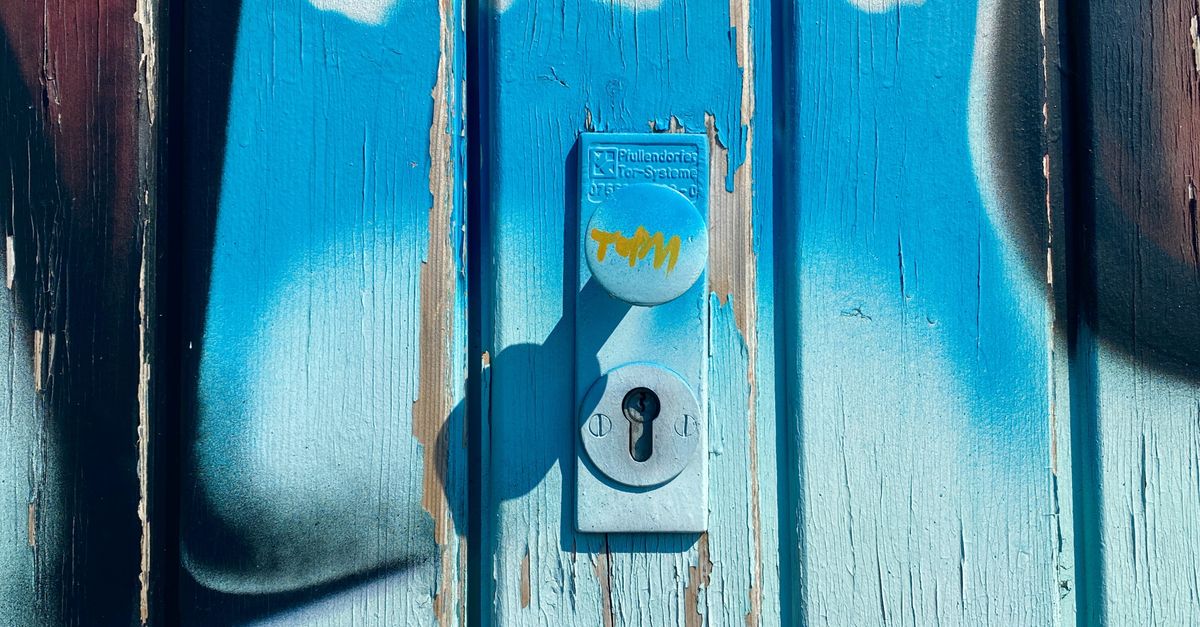
Our mobile team at Edgewater IL Locksmith handles smart lock installation on residential, commercial, and multi-unit doors across the Chicago area, arriving fully equipped to assess your existing hardware and complete the upgrade on the spot. We work on cylindrical knob-and-lever locks, deadbolts, and full mortise lock assemblies, and we confirm an exact up-front price before any work begins. Call (773) 832-5820 — we answer 24/7.
What we do
Available 24/7
Day, night, weekends and holidays — a real local locksmith answers and rolls a fully-stocked van.
Fast local response
Based in Chicago, we reach the Chicago area in well under an hour.
Insured & background-checked
Vetted technicians, up-front pricing, and no surprise add-ons when we arrive.
Damage-free entry
We pick and bypass locks the right way, so most lockouts are solved without drilling anything.
What Smart Lock Installation Actually Involves on a Chicago Door
A keypad or connected lock isn't simply bolted over your existing hardware. Our trained technicians begin every job by evaluating the door itself — thickness, material (hollow-core, solid wood, steel-clad), backset measurement, and the condition of the existing bore holes and strike plate pocket. Chicago's older greystone and vintage brick buildings frequently have non-standard door prep, warped frames from decades of lake-effect weather cycles, or misaligned strikes that need correction before a new lock will function reliably. Skipping that assessment and forcing a smart lock onto a poorly prepared door is the single most common reason homeowners end up with a lock that binds, misreads codes, or fails to latch fully.
Once the door is verified, our technician selects the appropriate mounting format. Most residential doors take a cylindrical smart deadbolt or a smart lock door knob/lever combo that drops into the existing 2-1/8" bore. Older Chicago apartment doors and many commercial entries, however, use a mortise smart lock format — a rectangular pocket cut into the door edge that houses the full latch, deadbolt, and cylinder mechanism in one unit. Mortise lock retrofits require precise measurement, sometimes minor door-edge work, and careful strike realignment; our experienced crew handles this routinely on the courtyard buildings and mixed-use storefronts throughout the Edgewater, Andersonville, and Rogers Park corridor.
Smart Lock Installation for Residential and Multi-Unit Buildings
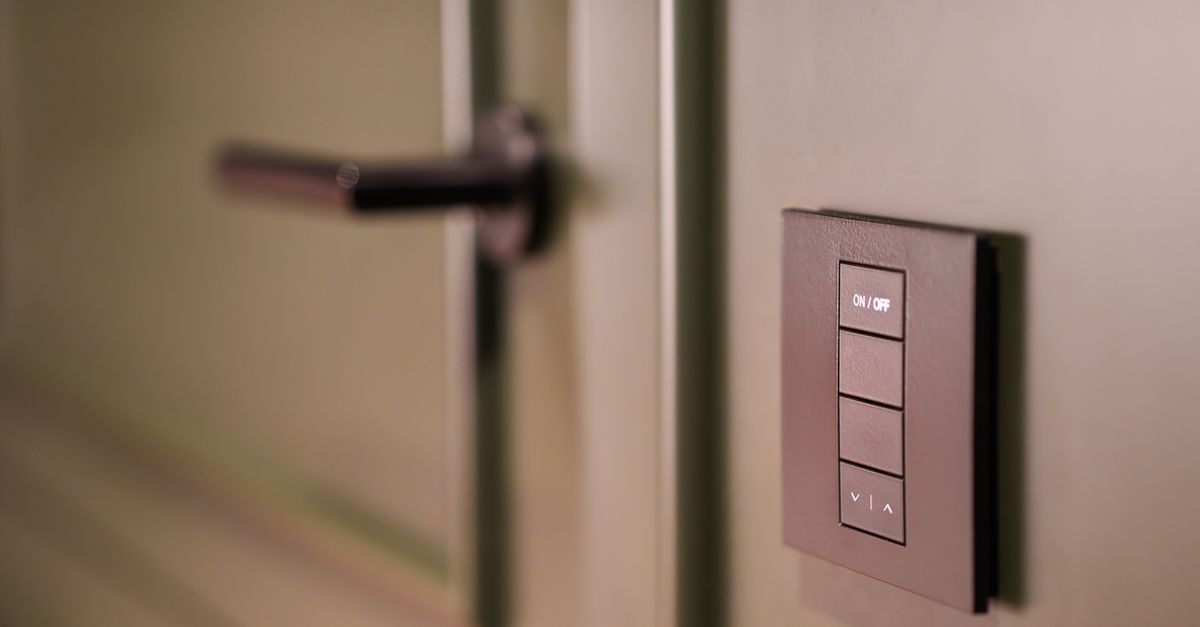
For single-family homes, coach houses, and condo units, the most popular upgrade path is replacing a standard deadbolt with a Wi-Fi or Z-Wave smart deadbolt — brands like Schlage and Kwikset offer models that reuse the existing door prep with minimal modification. Our technicians remove the old hardware, inspect the door edge and strike box, install the new unit, and then configure the lock's pairing, user codes, and (where applicable) auto-lock timing before we leave. We also replace the strike plate with a reinforced version when the door prep allows, adding a meaningful layer of forced-entry resistance that the original builder-grade hardware lacked.
Multi-unit buildings along Sheridan Road and the high-rises near the Edgewater Beach Apartments present a different challenge: common-entry doors, vestibule locks, and individual unit doors often need to work within a building-wide access system. Our team can assess compatibility with existing intercom wiring, recommend appropriate reader-ready mortise lock bodies for heavy-use common doors, and coordinate phased installations so residents aren't left without secure access during the work. For building managers who want app-based audit trails — knowing exactly when each unit door was accessed — we can discuss which connected lock platforms support that feature and how to integrate them with your existing setup.
Commercial Lock Installation: Mortise Lock Upgrades and Keypad Access
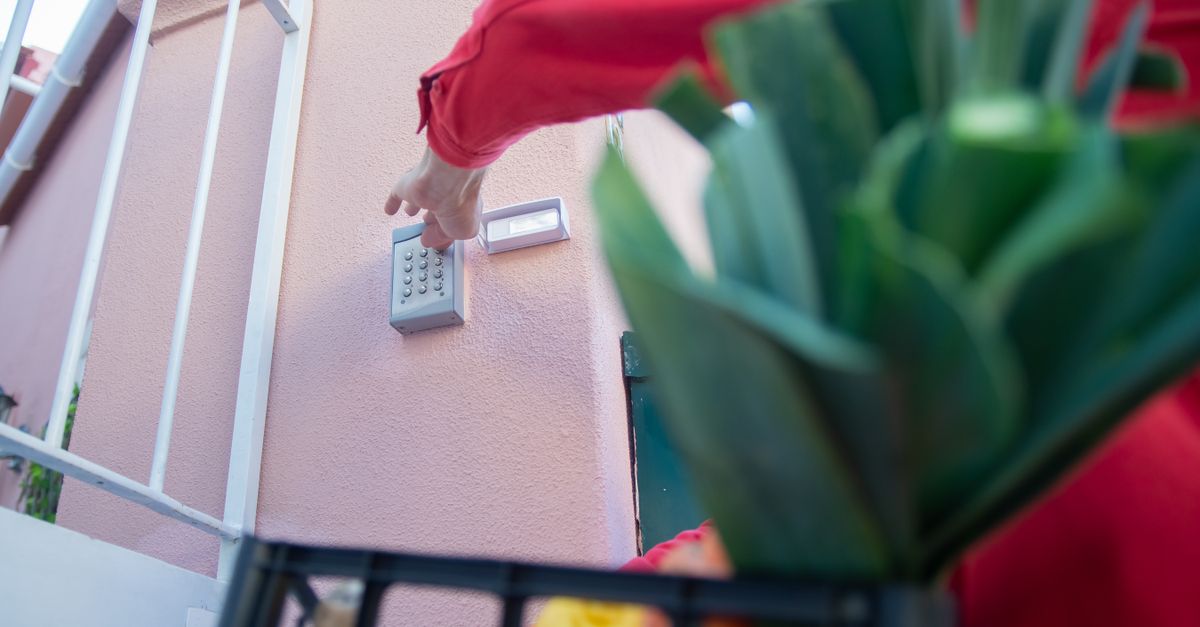
Commercial lock installation in Chicago carries requirements that residential jobs don't: higher daily cycle counts, ADA lever requirements, fire-code compliance for egress doors, and often the need for a master-key hierarchy layered on top of electronic access. Our skilled technicians are experienced with commercial-grade mortise lock bodies — the workhorses of retail storefronts, office suites, and restaurant back-of-house doors throughout the North Side. A commercial mortise smart lock combines an ANSI-grade mortise case with an electronic cylinder or credential reader, giving you keypad or fob access on the outside while maintaining a standard lever trim on the egress side so fire-code requirements are met.
Business owners on North Broadway or in the Margate Park commercial strip who are moving from a traditional keyed system to a PIN or fob system will find that the door lock installation service is only part of what we provide — we also advise on credential management, what happens when an employee leaves, and how to retain a mechanical key override so you're never locked out if the battery dies or the app goes offline. Our door lock installation service for commercial clients includes post-installation testing of every function: latch, deadbolt throw, electric strike or mag-lock release (if applicable), and code entry sequence. We don't leave until every mode is verified.
What Determines the Cost of a Smart Door Lock Installation in Chicago?
One of the most common questions we hear — 'How much does a locksmith cost in Chicago?' or 'How much should a locksmith cost per hour?' — doesn't have a flat answer, and any locksmith who quotes a single price without seeing your door should raise a flag. The factors that shape your final quote include the lock format (cylindrical vs. mortise smart lock, since mortise work requires more labor and specialized tooling), the condition of the existing door prep, whether new bore holes or a mortise pocket need to be cut, the time of day (emergency locksmith calls outside business hours carry a service premium), travel distance to your location within the Chicago area, and whether any supplemental hardware like reinforced strikes, door reinforcement kits, or electric strike frames are needed. We confirm the exact price with you before any work starts — no surprises on the invoice.
Customers often ask, 'Where can I find an affordable locksmith in Chicago?' or 'How to find a reputable locksmith in Chicago?' The honest answer: focus on transparency and verifiable experience rather than the lowest advertised number. Ask whether the technician arriving is an employee of the company, whether they're insured, and whether the price quoted on the phone is the price you'll pay. At Edgewater IL Locksmith, our technicians are trained, insured employees — not contractors dispatched from a call center — and we stand behind our work. For questions about emergency situations specifically, including 'How much should an emergency locksmith cost?', the same principle applies: we quote the after-hours rate openly before dispatch, so you know what you're agreeing to. Call (773) 832-5820 any time — we answer 24/7.
Frequently asked questions
Can you install a smart lock on my existing door without drilling new holes?
In most cases, yes. The majority of smart deadbolts and smart lock door knob or lever sets are designed to fit the standard 2-1/8" cylindrical bore and 1" edge bore that most modern doors already have. Our technician measures your door on arrival to confirm compatibility. If your door has a non-standard prep — common in Chicago's older greystone and courtyard buildings — we'll explain exactly what modification is needed and quote it before touching the door.
What is a mortise lock, and do I need one for my door?
A mortise lock is a full-mechanism lock body set into a rectangular pocket cut into the door edge, as opposed to a cylindrical lock that fits through a round bore. Mortise locks are standard on most commercial doors, older Chicago apartment entry doors, and high-security residential applications. If your existing door already has a mortise pocket, a mortise smart lock is the correct upgrade path — you cannot simply install a cylindrical smart lock where a mortise lock was. Our technicians identify which format your door uses on arrival and carry hardware for both.
Do smart locks work during a Chicago winter — cold, humidity, and everything?
Quality smart lock hardware from brands like Schlage and Kwikset is rated for exterior temperature ranges that cover Chicago winters. That said, installation quality matters: a lock that isn't perfectly aligned with the strike will bind under the slight door-frame movement that extreme cold causes. Our technicians adjust latch engagement and strike position at installation to account for seasonal wood movement, and we test the lock through multiple full open-and-close cycles before finishing the job.
I manage a multi-unit building in Edgewater. Can you install smart locks on all the unit doors in one visit?
We handle phased and full-building smart lock installation projects for residential and mixed-use buildings throughout the Chicago area. For larger jobs, we schedule a site walk first to assess door formats across all units — some buildings have a mix of mortise and cylindrical prep — quote the full scope, and then coordinate installation in a sequence that keeps every unit secure at all times. Contact us at (773) 832-5820 to discuss your building's specifics.
What happens if the smart lock battery dies or the Wi-Fi goes down?
Every reputable smart lock we install includes a mechanical key cylinder as a backup — you're never fully locked out if the electronics fail. Many models also have an external micro-USB or 9V terminal that lets you jump-start the lock with a portable battery to enter a code and replace the batteries from inside. We walk through all backup access options with you at the time of installation and make sure you have physical keys cut before we leave.
Is smart lock installation something I should attempt myself, or is a professional needed?
Replacing a basic cylindrical deadbolt with a same-footprint smart deadbolt is within reach of a careful DIYer — if the door prep is perfect. The problems arise with mortise lock replacements, doors that need bore modifications, misaligned frames, or commercial doors with electric hardware. An improperly installed lock can fail to latch, damage the door edge, or give a false sense of security. Our qualified technicians complete the work correctly the first time, test every function, and back the installation — making a professional door lock installation service the lower-risk choice for most people.
Locked out or need a lock fixed? We are on the way.
Open 24 hours, 7 days a week · Insured, background-checked technicians · Up-front pricing
(773) 832-5820